In tenders for Metros, Bridges, and Refineries, you often see the clause: "Makes Approved: SAIL / JSW / TATA / AMNS Only." Why are secondary producers strictly excluded, even if they claim to meet IS 2062?
The Manufacturing Route: Iron Ore vs. Scrap
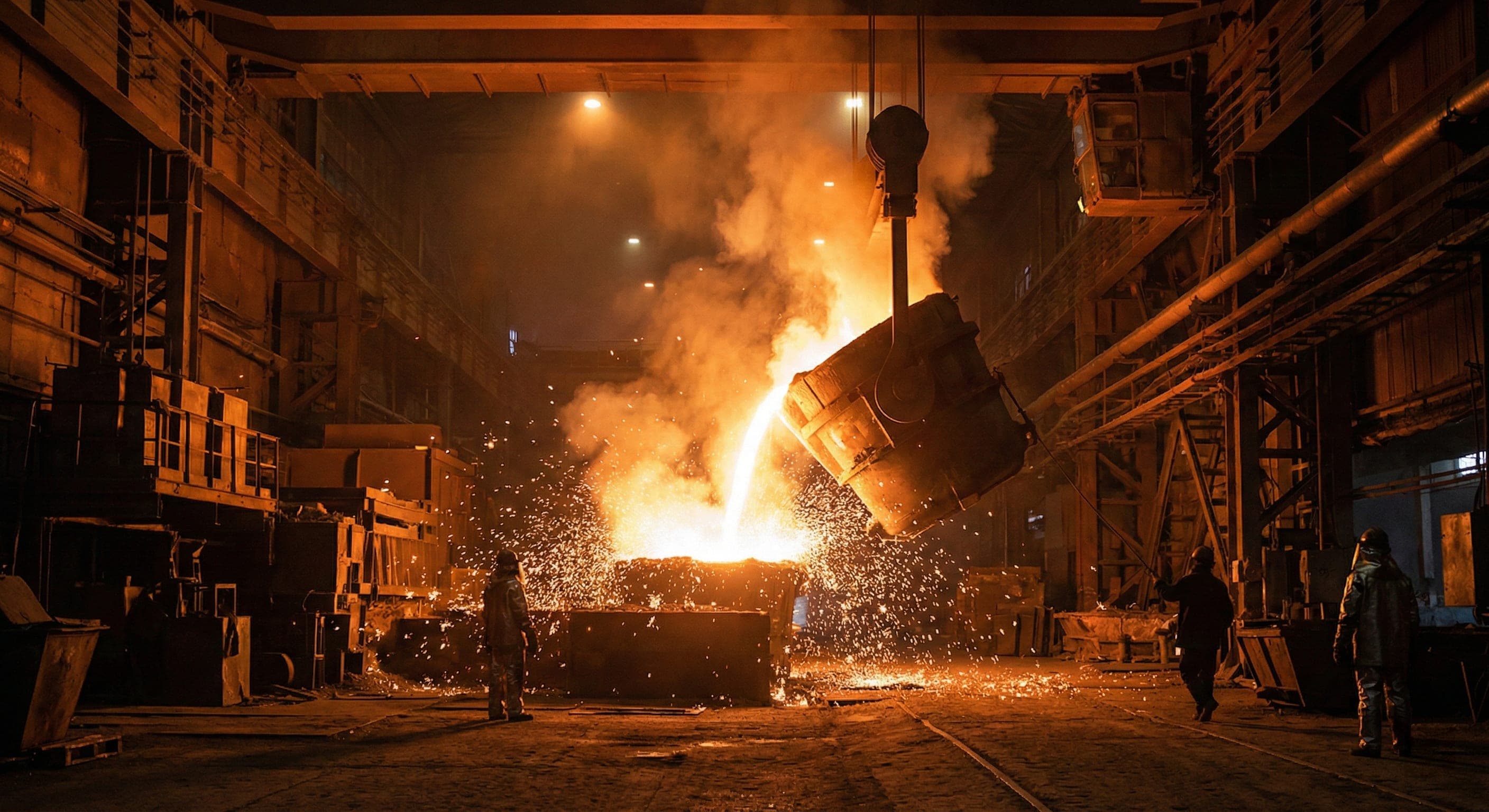
Primary Producers (Integrated Steel Plants) start with Iron Ore in a Blast Furnace. This allows them to control the chemistry from the atomic level up.
Secondary Producers (Rolling Mills) often melt down Scrap Metal in Induction Furnaces. The issue isn't the scrap; it's the lack of refining capability.
The Enemy: Tramp Elements
Scrap contains copper, tin, and other "tramp elements" that cannot be removed in a basic induction furnace.
- Phosphorus & Sulphur (P&S): Secondary steel often has high P&S. High Phosphorus makes steel brittle in cold weather (Cold Shortness). High Sulphur causes cracks during welding (Hot Shortness).
- Corrosion Resistance: The inconsistent surface chemistry of secondary steel leads to faster rusting, even when painted.
The 'Rolling Tolerance' Trap
Secondary beams are often rolled to the negative extreme of the tolerance limit. An "ISMB 300" should weigh 44.2 kg/m. A secondary beam might weigh 40 kg/m (-9.5%). While cheaper per piece, you are effectively buying air. Primary mills maintain strict tolerances (typically +/- 2-3%), ensuring you get the structural strength you paid for.