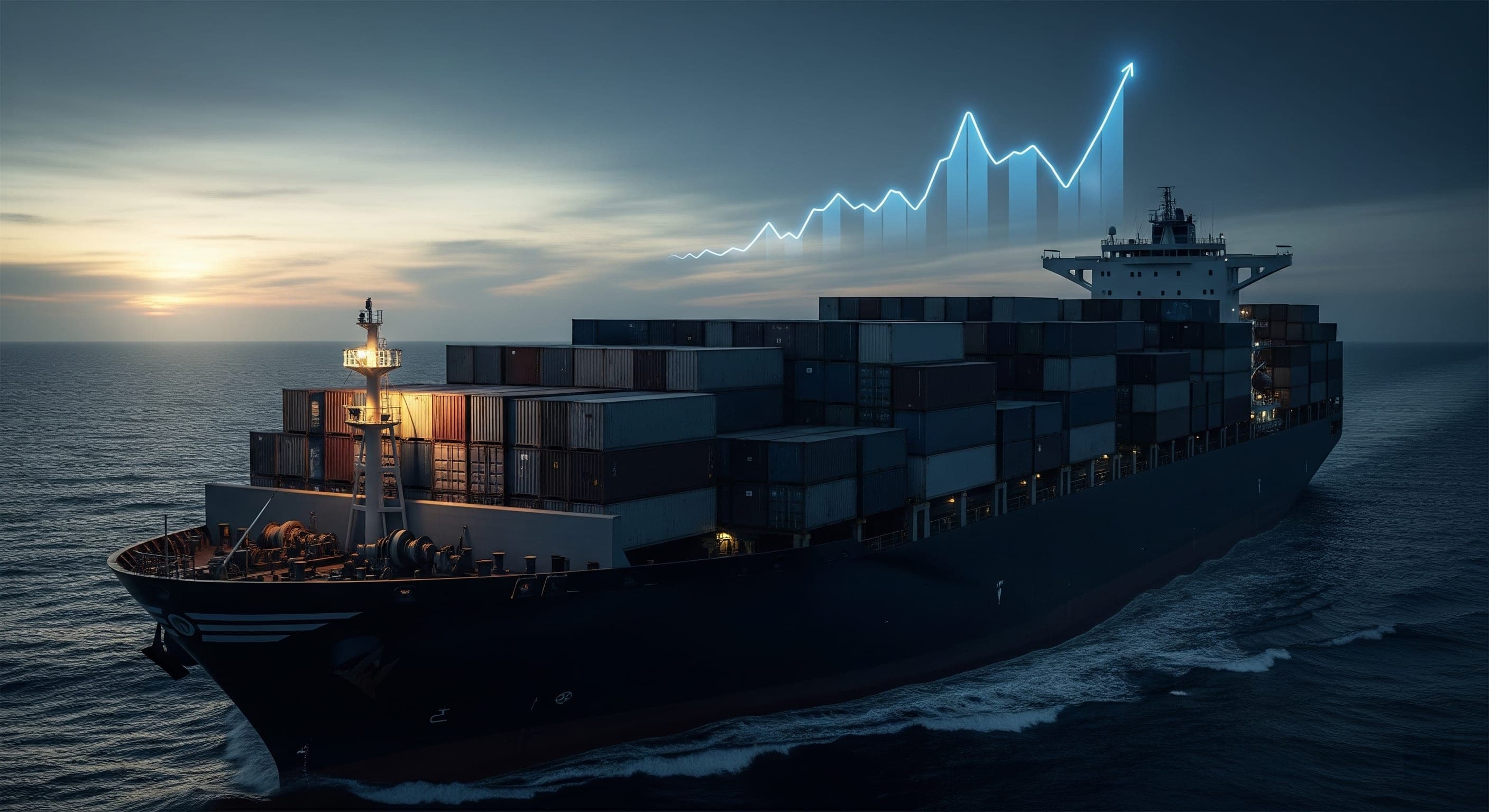
Global supply chains are currently facing a severe stress test. Rising geopolitical tensions in the Middle East have triggered a domino effect across the logistics sector, fundamentally altering the cost dynamics for heavy industrial exports.
The Surge in Freight and Energy Costs
Recent events have pushed up fuel costs significantly, leading to a sharp, unavoidable increase in freight rates. Across key shipping routes, freight costs have already surged by approximately 50%. This adds immediate and heavy pressure on raw material supply chains, especially for high-tonnage materials like structural steel and API line pipes.
Insurance Limitations and Vessel Availability
Beyond raw fuel costs, risk premiums are skyrocketing. With limited insurance cover available for vessels navigating high-risk corridors, marine operators are forced to offer vessels at non-negotiable rates. Pricing is now strictly dictated by vessel availability rather than standard market competition, leaving unhedged buyers vulnerable to sudden project cost overruns.
Sustained Input Cost Inflation for Industries
As a direct result of these logistical bottlenecks, the construction, infrastructure, and oil & gas industries have started facing sustained input cost inflation. The combination of higher freight and elevated energy costs is reinforcing upward pressure on landed steel prices globally.
The J.M. Shah & Co. Advantage
In volatile markets, securing a reliable supply chain is more critical than negotiating base material costs. For our export clients, our dedicated Export Division leverages long-standing shipping partnerships, Letters of Credit (LC) expertise, and consolidated bulk dispatch strategies to mitigate freight shocks and ensure your project timelines remain intact.