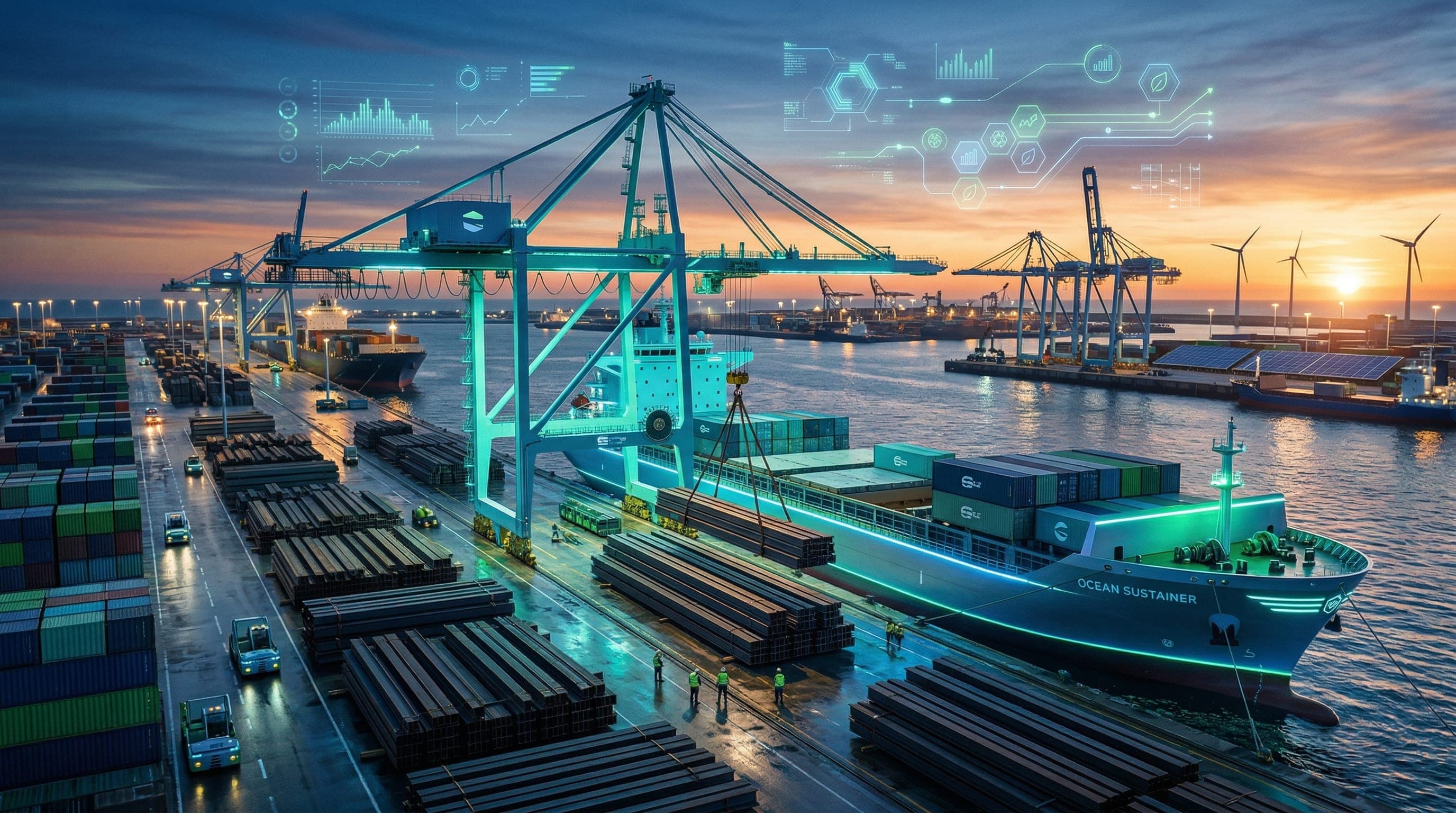
Global steel trade has officially entered a new era. In 2026, the European Union’s Carbon Border Adjustment Mechanism (CBAM) transitions from a mere reporting requirement to a definitive financial tariff. This will fundamentally alter the cost of importing structural steel and pipes into Europe and connected markets.
What is CBAM and How Does it Affect EPCs?
CBAM places a price on the carbon emitted during the production of carbon-intensive goods entering the EU. If you are an international EPC sourcing steel for European or EU-funded projects, you must now factor the "embedded emissions" of your steel into your landed cost. High-emission steel from traditional blast furnaces will attract steep carbon certificates, destroying project margins.
The Shift Towards Verified "Green" Production
This regulation places immense pressure on procurement managers to source from mills with verifiable decarbonization strategies. Indian primary producers (such as Tata Steel and JSW) are aggressively investing in EAF (Electric Arc Furnace) technologies and renewable power grids to lower their carbon footprint per metric ton.
Compliance & Sourcing with J.M. Shah & Co.
Our Export Division ensures that international buyers are fully equipped for the CBAM transition. We coordinate closely with India's top-tier integrated mills to supply steel accompanied by accurate, globally recognized embedded emission reports. We ensure your documentation is audit-proof, preventing customs hold-ups and unexpected carbon levies at destination ports.